5 Common Safety Sign Mistakes That Could Fail Your Next Audit
If an auditor visited your site tomorrow, would your signage pass the test—or raise red flags? For many workplaces, safety sign mistakes are a “set and forget” issue that only gets noticed when it’s too late. Faded, misplaced, or missing signs are some of the most common reasons businesses fail safety audits.
The impact can be serious: fines, costly delays, and a loss of trust from both your workers and regulators. The good news? Avoiding these pitfalls is simple when you know what to look for—and when you have a signage partner who understands compliance inside and out.
Faded or weather-damaged signs
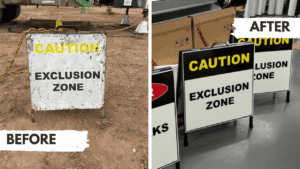
Queensland’s sun, rain, and humidity are tough on signage. Faded colours, peeling vinyl, or cracked panels make signs unreadable—and auditors see them as an instant risk. This is one of the most overlooked safety sign mistakes businesses make.
How to avoid it: Invest in UV-stable, weatherproof signage designed for Australian conditions. Durable materials like ACM panels paired with high-quality vinyl will keep your signs clear, legible, and compliant year-round.
Missing mandatory signage
On busy worksites, it’s easy to overlook a required sign. But a missing “PPE Required” or “Emergency Exit” sign can be all it takes to fail an audit. Among all safety sign mistakes, this one is often the most costly.
How to avoid it: Run regular signage checks against a safety audit checklist. Make sure every mandatory requirement is covered, from hazard warnings to emergency procedures. Work with a signage supplier who knows WHS regulations and can guide you through the process.
Incorrect placement or poor visibility
A sign that can’t be seen is a sign that doesn’t work. Signs hidden behind machinery, mounted too high, or angled poorly won’t pass inspection. This is one of those simple safety sign mistakes that can have serious consequences.
How to avoid it: Place signage at eye level and in high-traffic areas where workers, visitors, and contractors can’t miss them. For low-light environments, use reflective finishes or high-contrast designs to boost visibility.
Outdated or non-compliant designs
Safety standards change over time. Outdated symbols, wrong colours, or improvised “home-printed” signs often fail to meet AS 1319 requirements. Falling behind on updates is another common safety sign mistake.
How to avoid it: Keep signage up to date with current WHS and AS 1319 standards. Partner with a provider who designs and prints specifically for compliance—not just aesthetics.
Inconsistent or confusing messaging
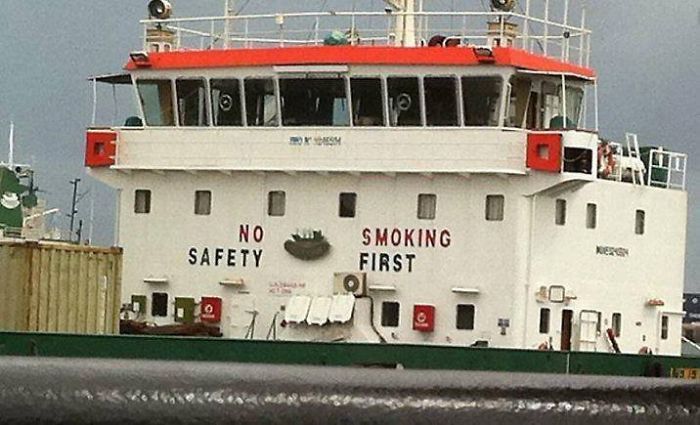
Multiple signs saying the same thing—or worse, signs that contradict one another—cause confusion for workers and headaches for auditors. When it comes to safety sign mistakes, this one often gets overlooked but can undermine workplace safety.
How to avoid it: Standardise your signage across the site. Clear, consistent, and uncluttered messaging makes expectations obvious and reduces compliance risks.
Stay compliant with confidence
Getting safety signage right doesn’t have to be complicated. At Phoenix Graphics, we’ve been helping Australian businesses avoid safety sign mistakes for over 30 years. We design, print, and install durable safety signage that meets Department and WHS standards—so you can protect your team and pass audits without the stress.
👉 Need help with your site signage?
Get a Quick Quote or
Would you like our FREE Tips about Symbols and What they mean…
email us with words FREE TIPS to [email protected]
Safety Signage: Frequently Asked Questions (FAQ’s)
1. How often should workplace safety signage be inspected or replaced?
Safety signage should be checked regularly—ideally as part of your monthly/quarterly workplace inspections. Depending on exposure to sun, weather, and site conditions, most signs last 3–7 years before they need replacing. Regular checks ensure they stay legible and compliant.
2. What standards apply to safety signage in Australia?
The key standard for workplace safety signage is AS 1319:1994 – Safety Signs for the Occupational Environment. This sets requirements for colours, symbols, and layouts. Signs must also align with WHS regulations relevant to your state or industry.
3. Can custom-designed safety signs still be compliant?
Yes—customisation is fine as long as the design follows AS 1319 and WHS requirements. For example, you can include your company logo or tailor messaging, but the core symbols, colours, and layouts must remain compliant for audit approval.